.png&w=1920&q=75)
With a business model integrating aircraft sales, operational support, FBO services, storage, maintenance, private flights, and aircraft upgrades, the Chilean company is advancing the consolidation of a regional platform capable of supporting clients throughout the entire aircraft lifecycle. Rodrigo Contreras Brain, General Manager of Aviasur, discusses this new phase, which is marked by concrete milestones such as the opening of a maintenance center in Uruguay, the addition of Bell helicopters to its sales portfolio in Peru, and the opening of a second hangar in Florida, USA.
How would you characterize Aviasur’s current position as we approach the second half of 2026?
We are coming off a very intense 2025, during which we opened up various fronts almost simultaneously. Throughout 2026, our focus has been on consolidating these efforts and transforming that expansion into concrete capabilities. Today, Aviasur is no longer just a Chilean company with operations in other countries; we are building a regional network, with established infrastructure and local teams that allow us to support our clients across different markets. For us, the priority isn't simply being present in more countries for the sake of growth; rather, it is ensuring that every new operation makes sense within our value proposition and adds a capability we can place at the service of our clients.
How do you scale a value proposition based on personalization and flexibility at a regional level?
Our proposition starts with a very simple premise: making life easier for the client. An aircraft requires multiple services, which typically necessitates coordinating with various providers. We aim to be a single point of contact capable of supporting the client throughout the aircraft's entire lifecycle—from purchase and entry into service to flight support, fuel, FBO services, hangarage, maintenance, upgrades, and, eventually, replacement. By bringing this model to different markets, clients can access the same service philosophy and Aviasur standards across various countries, while we always adapt to their specific needs. For us, a comprehensive approach does not mean standardizing service; on the contrary, it means possessing the capabilities to deliver a truly personalized and flexible solution.
There is a strong emphasis on regional growth. What are the key milestones of this expansion, and what role do partners play in this strategy?
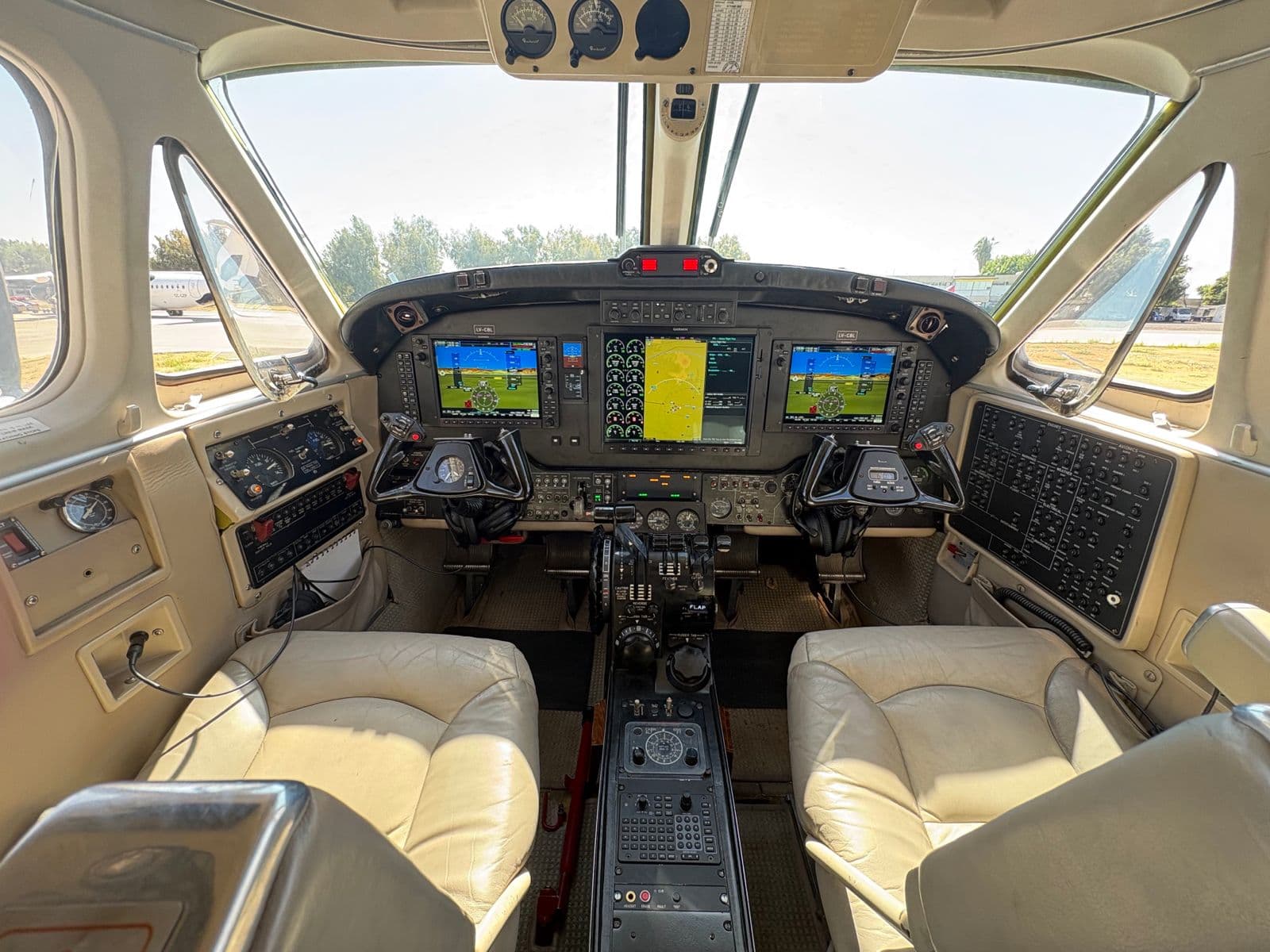
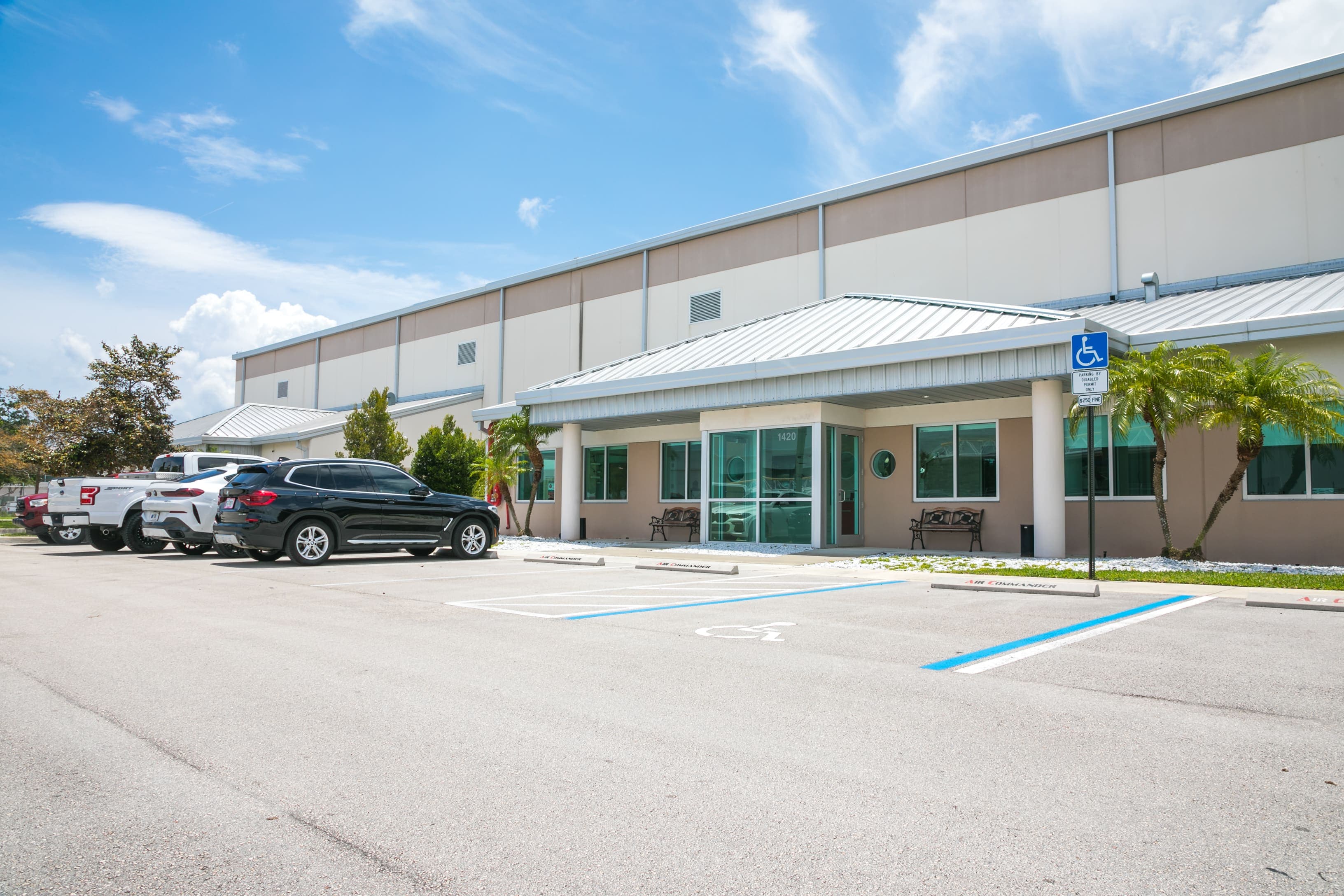
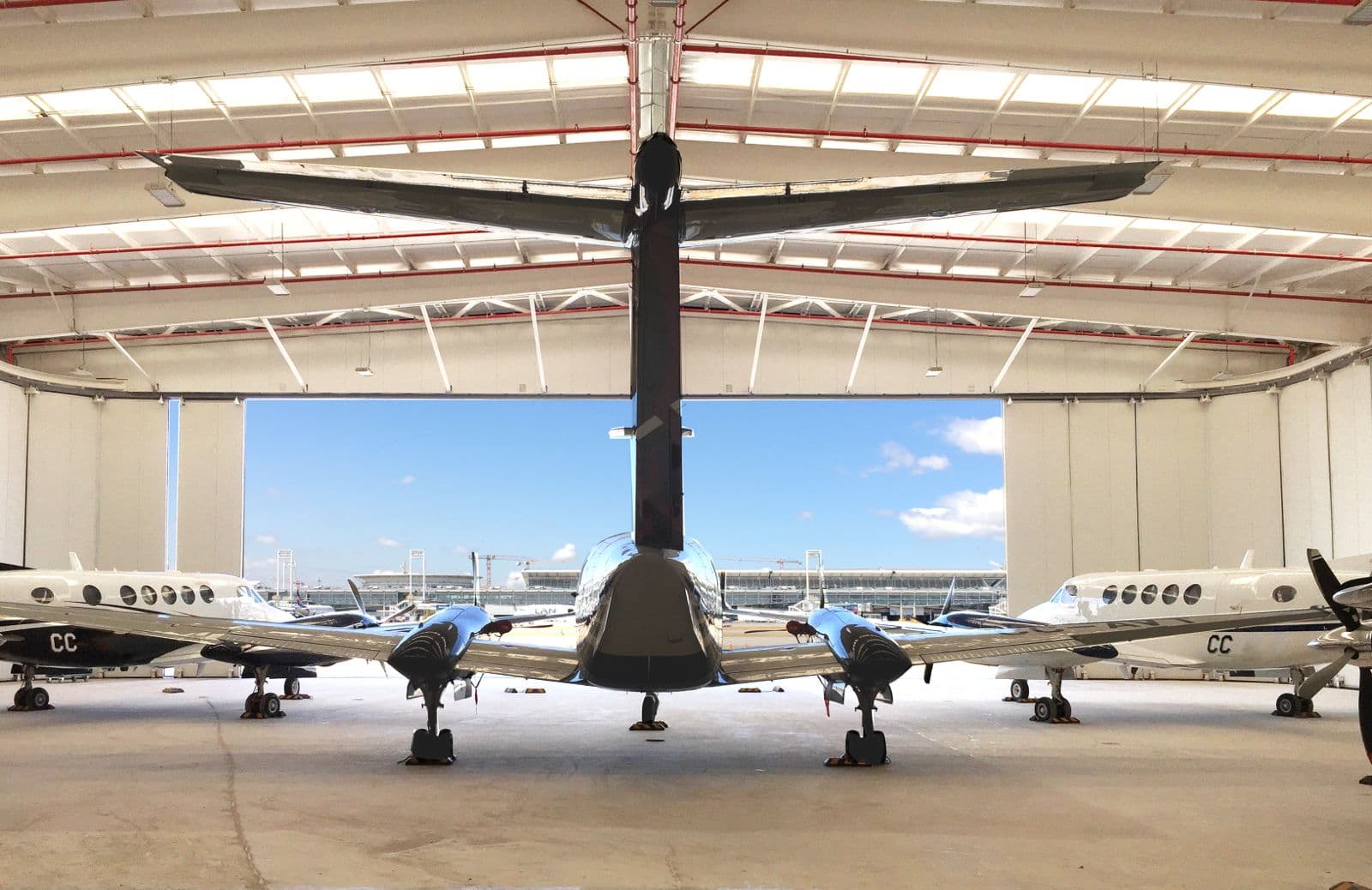
Our expansion model isn't simply about planting an Aviasur flag in various countries; we aim to build genuine capabilities and do so responsibly. That is why, where appropriate, we seek partners who bring local knowledge, certifications, infrastructure, and long-standing relationships to the table. For our part, we contribute experience, service standards, and a regional vision. Today, prominent partners include industry giants such as Textron Aviation, Bell Helicopters (in Peru), Garmin, Pratt & Whitney, Williams, MT-Propeller, and Blackhawk, among others. This strategy is already translating into tangible results. In Peru, we added Bell helicopters to our sales portfolio, expanding our offering in that market. In Uruguay, we launched operations at our maintenance center and expanded the hangar from 600 to 1,500 square meters, allowing us to diversify our services and develop a maintenance option serving operators across the Southern Cone. And in Florida, we added a second hangar in Fort Lauderdale—complementing our existing facility in Miami—thereby increasing our capacity for aircraft storage and support. Rather than viewing each milestone in isolation, the key point is that they all contribute to building capabilities within a unified regional network.
With this significant focus on the region, what role does Chile continue to play in Aviasur’s current operations?
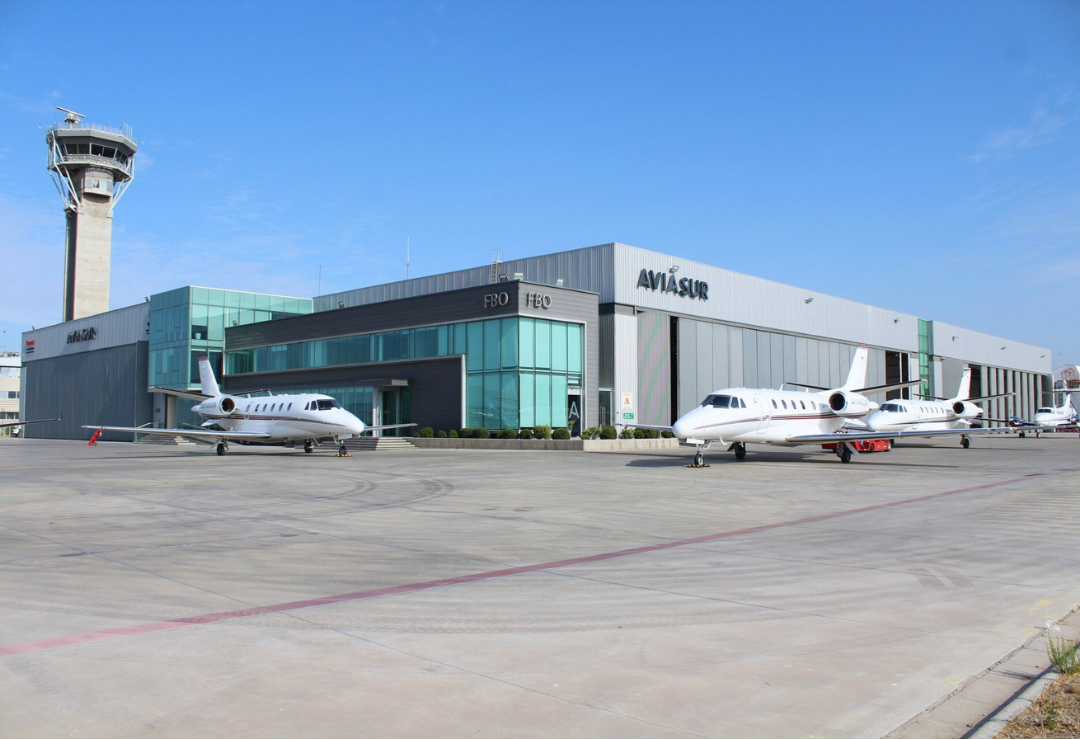
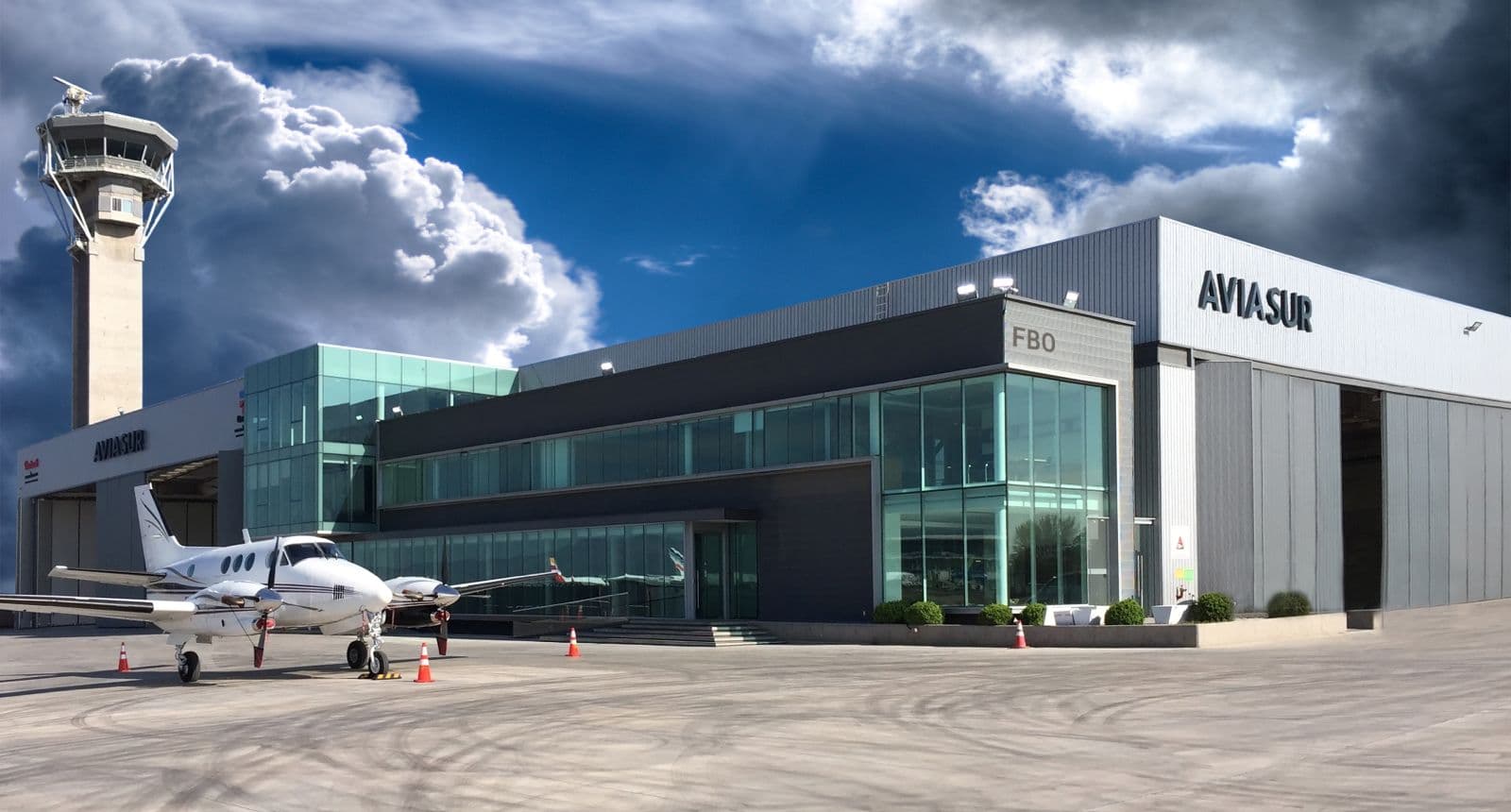
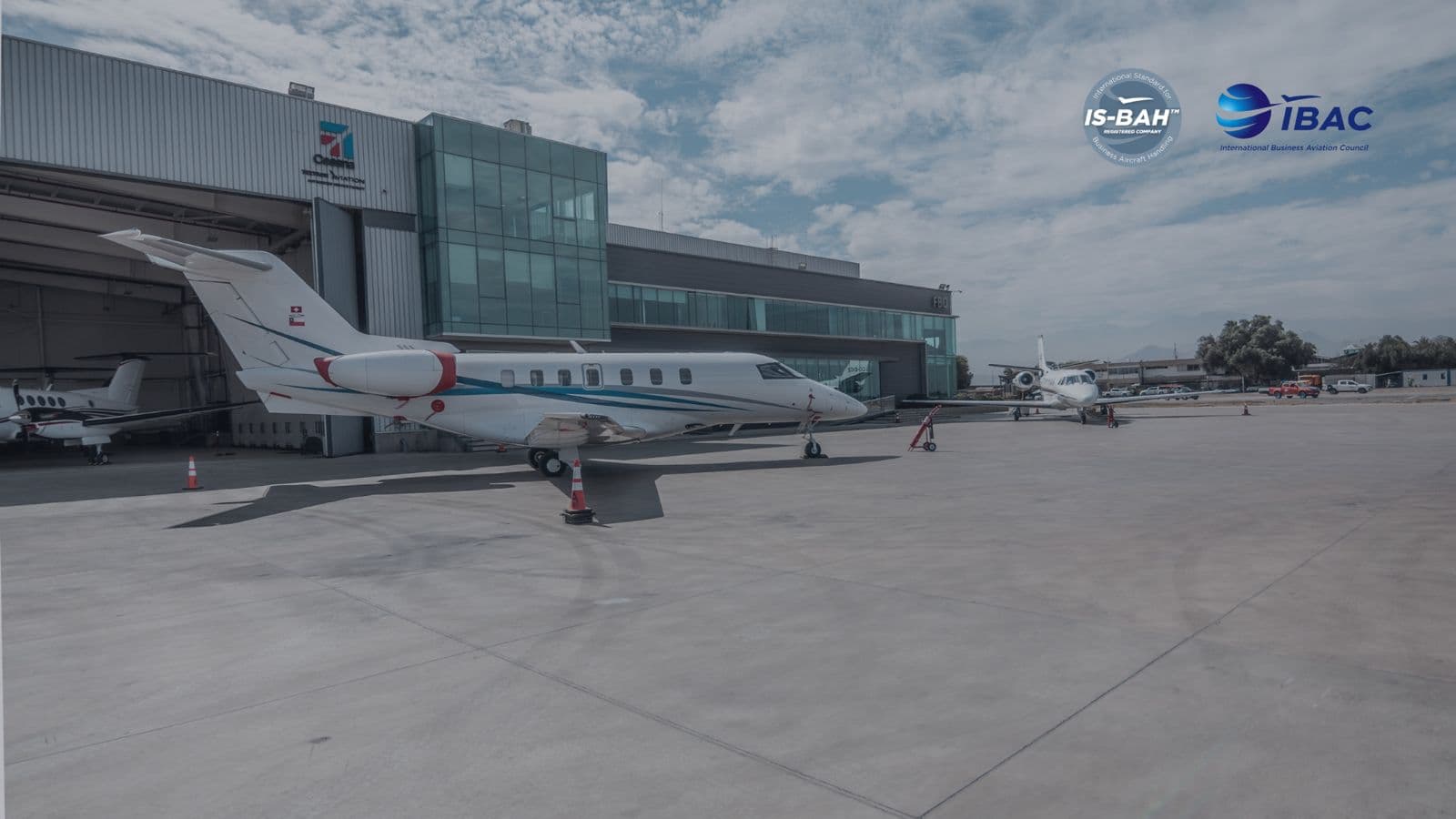
Chile remains the heart of Aviasur and our primary operational and technical hub. From Santiago, we have developed a model combining infrastructure, service, and technical capabilities that we now aim to expand across the region. Our FBO was designed with client privacy and efficiency at its core. We feature infrastructure specifically tailored to private aviation, such as exclusive underground parking and VIP lounges. In addition, we operate a High-Density Terminal adjacent to the main terminal; capable of handling flights with up to 180 passengers, it plays a particularly vital role for industries that need to transport groups of people efficiently, such as the mining sector. Santiago also houses a significant portion of our technical capabilities. We hold authorizations and represent leading industry manufacturers and suppliers, allowing us to integrate maintenance services with avionics solutions and performance upgrades. This technical expertise—combined with our FBO, hangarage, fueling, and operational support services—forms the foundation of the comprehensive model we are now bringing to other markets.
Where do you envision Aviasur in the coming years?
Our goal is not to measure growth by the number of countries where we operate, but rather by our ability to increasingly better support our clients. We want anyone operating an aircraft in the region to find a partner in Aviasur that understands their needs and can address them, regardless of their location. The challenge lies in continuing to connect our capabilities and grow where it makes sense for our clients, without losing the qualities that have defined Aviasur from the start: a close relationship, flexibility, technical expertise, and responsiveness. If we succeed in consolidating a regional network while maintaining this way of working, we will have taken a very significant step forward.
.png&w=3840&q=75)



_11zon.png&w=3840&q=75)
_11zon.png&w=3840&q=75)
_11zon.png&w=3840&q=75)
_11zon.png&w=3840&q=75)
.png&w=3840&q=75)
.png&w=3840&q=75)
_11zon.png&w=3840&q=75)
.png&w=3840&q=75)